
Understand your condition. Explore your care options. Take the next step with confidence.
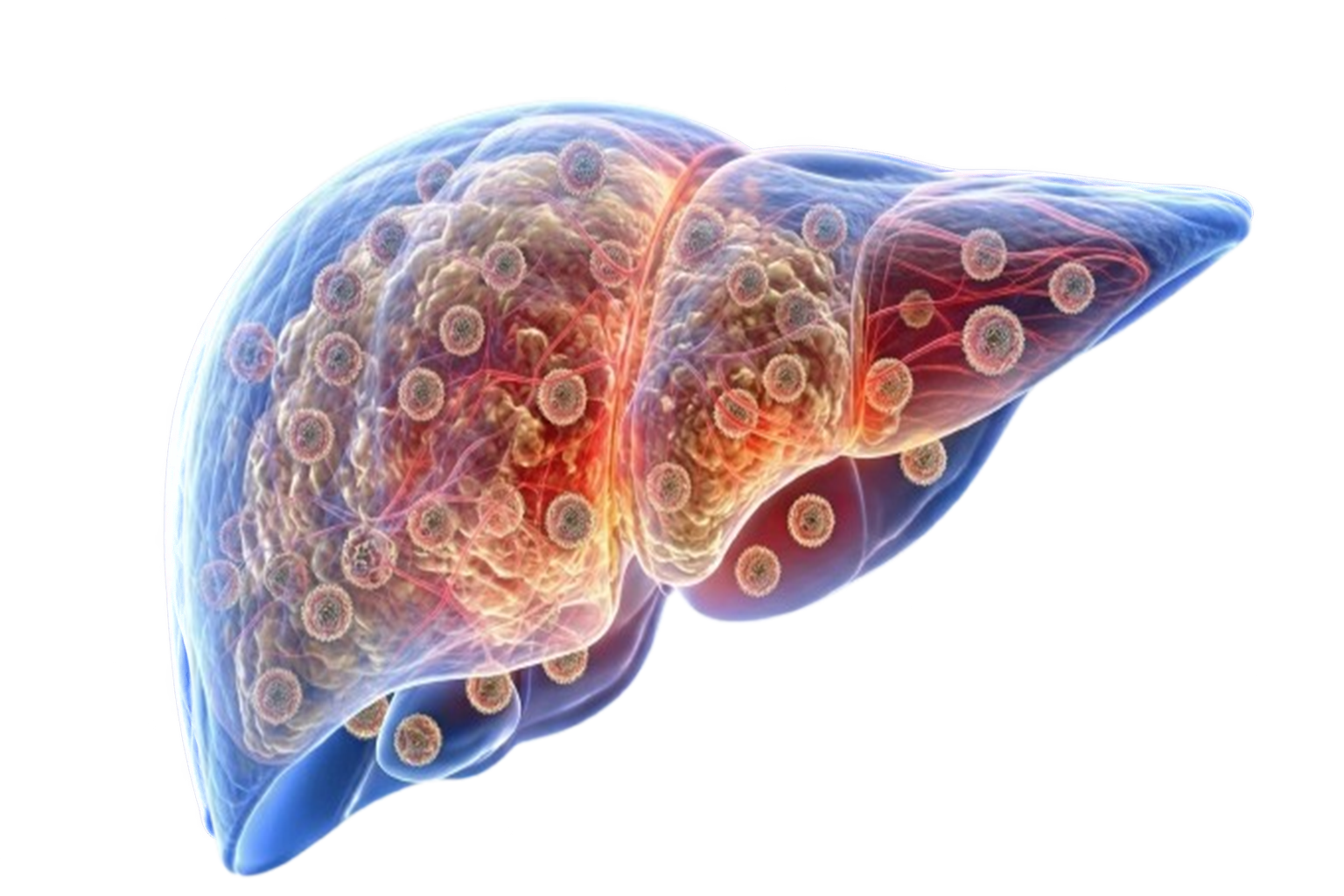
Viral Hepatitis is an infection that disrupts the functioning of the liver. It causes inflammation of the liver. Hepatitis A virus causes Hepatitis A. It is a contagious liver infection. It transmits to a person from contaminated food or water or from close contact with a person or object that’s infected.
A thoughtful and personalised approach to help you understand your condition and make informed decisions.
A focused discussion about your history, symptoms and concerns.
A plan tailored to your condition, lifestyle and goals.
Continued support throughout your care journey.
From understanding your condition to planning the next steps, we work with you at every stage.
Review your history and concerns.
Discuss appropriate investigations.
Agree on your next steps together.
Usually spreads through contaminated food or water. It generally causes an acute infection and does not become chronic. Vaccination is available.
Spreads through infected blood and certain body fluids, including during childbirth. It can cause acute or chronic infection. Vaccination is available.
Mainly spreads through infected blood, including unsafe injection practices and inadequately screened blood exposure. It can become chronic but is often curable with appropriate antiviral medicines.
Occurs only in people who have hepatitis B infection and can increase the risk of severe liver disease.
Usually spreads through contaminated water or food, depending on the setting. It often causes acute illness but may become chronic in some immunocompromised patients. Infection during pregnancy can be particularly serious.

Many acute infections require supportive care and monitoring. Severe illness or selected cases may need hospital treatment or specialist care.
Some patients need monitoring alone, while others require antiviral treatment to suppress the virus and reduce the risk of liver complications.
Direct-acting antiviral medicines can cure most infections when an appropriate regimen is completed.
Specialist management may include specific antiviral approaches where indicated and management of associated liver disease.
Selected patients may benefit from specific medicines depending on the diagnosis, fibrosis stage, associated metabolic conditions, and current treatment recommendations. Medication should be prescribed only after clinical evaluation.

Prevention depends on the type of virus and route of transmission. Important measures include vaccination against hepatitis A or B where indicated, safe injection practices, appropriate blood screening, avoiding the sharing of needles or personal items contaminated with blood, and safe food and water practices. Appropriate screening and preventive measures during pregnancy and childbirth are important for hepatitis B.
Living with cirrhosis can feel overwhelming. We provide clear information, practical guidance and ongoing support to help you move forward with confidence.
Information and advice tailored to your individual needs.
Understand your condition and the available options in simple terms.
We’re here for you—before, during and after your consultation.
A little preparation can help you get the most from your consultation.
Bring any relevant test results, scans or hospital letters.
A list of the medicines you are currently taking.
Write down any questions or concerns you would like to discuss.
Find quick answers to common questions about Viral Hepatitis. For anything else, we’re here to help.
Yes. Many patients have no jaundice or other obvious symptoms, particularly in chronic hepatitis B and C.
Current treatment can suppress hepatitis B and reduce the risk of complications, but a complete cure is uncommon. Some patients require long-term monitoring or treatment.
Yes. Appropriate direct-acting antiviral treatment cures most patients, although follow-up depends on the patient’s liver condition and risk of reinfection.
Hepatitis B and C are not ordinarily spread through casual contact or sharing meals. Hepatitis A and E can spread through contaminated food or water.
Testing and vaccination recommendations depend on the type of hepatitis, the nature of exposure, and the individual’s medical history. Household and sexual contacts of people with hepatitis B may need specific assessment.
Book a consultation with Dr. Varun Gupta for assessment and management of liver-related conditions, including evaluation of viral hepatitis and the need for treatment or monitoring.
Choose your preferred location and our team will confirm your appointment.
Choose your preferred date and time. The clinic team will contact you to confirm.