
Understand your condition. Explore your care options. Take the next step with confidence.
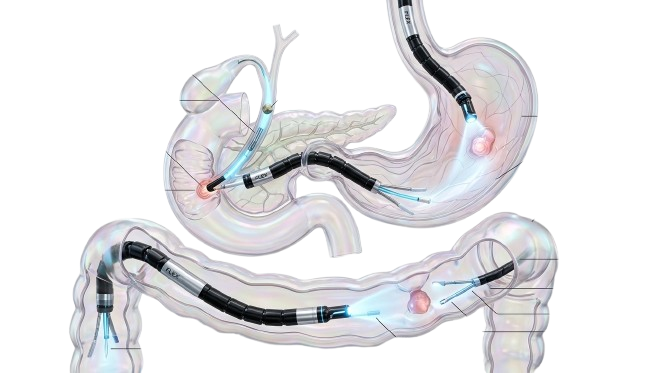
ERCP helps diagnose and treat problems of the bile and pancreatic ducts. Experts perform this procedure using a sedative. Doctors insert the endoscope through the oesophagus, stomach into the duodenum. The camera on top of the endoscope sends images to the monitor. Small tools that accompany endoscopes help experts open blocked or narrow ducts, remove stones or tumours in the ducts and insert stents.
A thoughtful and personalised approach to help you understand your condition and make informed decisions.
A focused discussion about your history, symptoms and concerns.
A plan tailored to your condition, lifestyle and goals.
Continued support throughout your care journey.
From understanding your condition to planning the next steps, we work with you at every stage.
Review your history and concerns.
Discuss appropriate investigations.
Agree on your next steps together.
Upper gastrointestinal endoscopy, also called gastroscopy, uses a thin, flexible tube with a camera to examine the oesophagus, stomach, and first part of the small intestine. It may be recommended for persistent upper abdominal discomfort, difficulty swallowing, unexplained vomiting, suspected ulcers, or gastrointestinal bleeding. Tissue samples may be collected and selected problems may be treated during the procedure.
Colonoscopy examines the rectum and colon and may be recommended for persistent or unexplained diarrhoea, blood in the stool, changes in bowel habits, unexplained iron-deficiency anaemia, suspected inflammatory bowel disease, colorectal cancer screening when appropriate, or follow-up of previously identified polyps. Biopsies may be collected and many polyps can be removed during the same procedure.
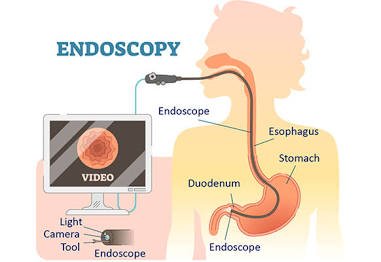
ERCP is a specialised procedure used mainly to diagnose and treat selected problems affecting the bile ducts and pancreatic ducts. It may be recommended for stones obstructing the common bile duct, selected bile duct strictures or leaks, bile duct blockages requiring drainage, and certain pancreatic duct conditions. An endoscope is passed through the mouth into the small intestine; contrast dye and X-ray imaging help the doctor visualise the ducts. Instruments may be used to remove stones, collect samples, or place a stent. ERCP is generally reserved for situations where intervention may be needed.
Patients are generally asked to fast for a specified period. Medication instructions should be discussed with the medical team.
Bowel preparation is usually required to clear the colon. Follow prescribed preparation and dietary instructions carefully.
Preparation may include fasting, blood tests, medication review, and assessment of relevant medical conditions. Antibiotics may be required in selected circumstances.
Inform the doctor about blood-thinning medicines, diabetes medicines, allergies, pregnancy, heart or lung conditions, and previous reactions to sedation. Medicines should not be stopped independently.
The patient receives procedure-specific instructions and monitoring. Sedation or anaesthesia may be used depending on the procedure and clinical circumstances. The endoscopist examines the relevant area and may perform additional interventions if required. Procedure duration varies according to complexity and findings.
Some patients experience temporary bloating, mild throat discomfort after upper endoscopy, or abdominal fullness. After sedation, patients generally need a recovery period and should not drive or operate machinery for the period specified by the medical team. Biopsy results may take additional time.
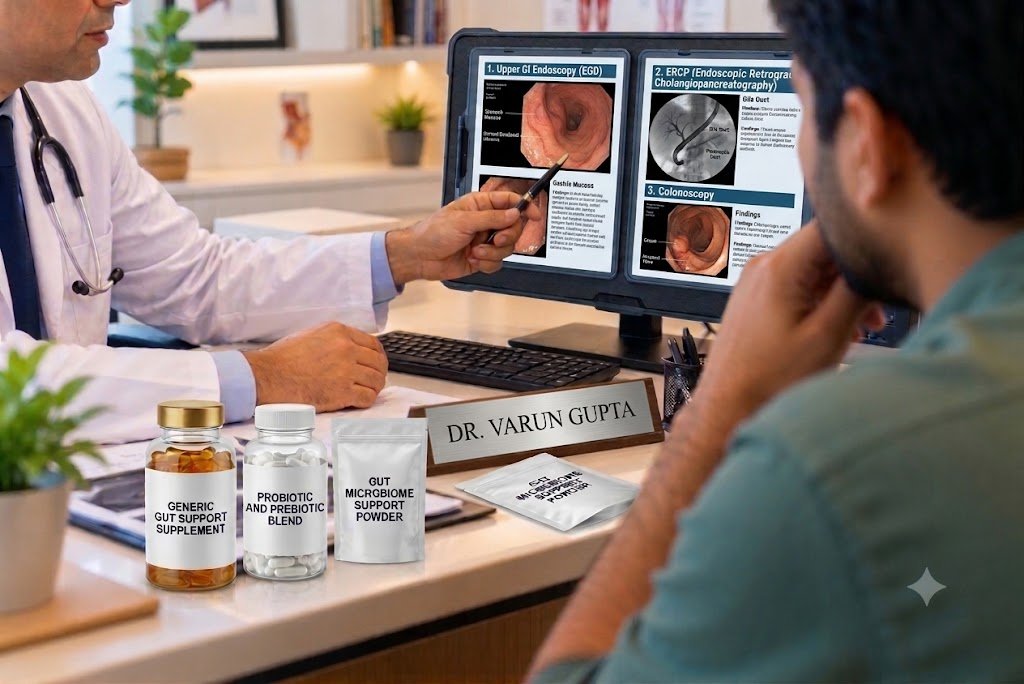
Endoscopic procedures can help identify digestive conditions and may allow treatment without open surgery. Potential complications vary by procedure and may include bleeding, infection, perforation, or reactions to sedative medicines. ERCP has an additional risk of procedure-related pancreatitis. The treating specialist should explain relevant risks and alternatives.
Living with cirrhosis can feel overwhelming. We provide clear information, practical guidance and ongoing support to help you move forward with confidence.
Information and advice tailored to your individual needs.
Understand your condition and the available options in simple terms.
We’re here for you—before, during and after your consultation.
A little preparation can help you get the most from your consultation.
Bring any relevant test results, scans or hospital letters.
A list of the medicines you are currently taking.
Write down any questions or concerns you would like to discuss.
Find quick answers to common questions about ERCP/Endoscopy/Colonoscopy. For anything else, we’re here to help.
Sedation may be used to improve comfort. Some patients experience temporary gagging, bloating, or throat discomfort. The experience varies between individuals.
No. It is also used to investigate bowel symptoms, identify inflammation, take biopsies, remove polyps, and assess other abnormalities.
Yes. ERCP can often be used to remove suitable bile duct stones and relieve selected obstructions.
No. ERCP is a specialised procedure involving endoscopy and X-ray imaging to evaluate and treat certain bile duct and pancreatic duct conditions.
Eating and drinking instructions depend on the procedure, sedation, and clinical findings. Follow the instructions given by the treating team.
Severe or worsening abdominal pain, fever, breathing difficulty, significant bleeding, black stools, or vomiting blood require urgent medical assessment.
Contact the clinic to discuss your symptoms, review your reports, and ask about the availability of the recommended procedure. Only list procedures as directly available after confirming service availability.
Choose your preferred location and our team will confirm your appointment.
Choose your preferred date and time. The clinic team will contact you to confirm.