
Understand your condition. Explore your care options. Take the next step with confidence.
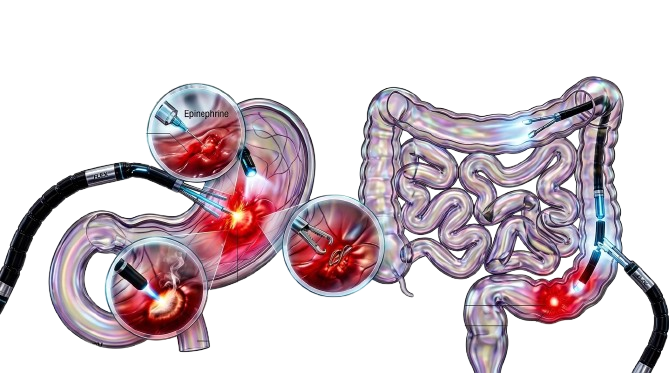
Bleeding in any part of the gastrointestinal tract is GI bleeding. It signifies malfunctioning in any part of the digestive tract. The appearance of blood in stool or vomit accompanied by fatigue, weakness, and pale skin are symptoms of GI bleeding.
A thoughtful and personalised approach to help you understand your condition and make informed decisions.
A focused discussion about your history, symptoms and concerns.
A plan tailored to your condition, lifestyle and goals.
Continued support throughout your care journey.
From understanding your condition to planning the next steps, we work with you at every stage.
Review your history and concerns.
Discuss appropriate investigations.
Agree on your next steps together.
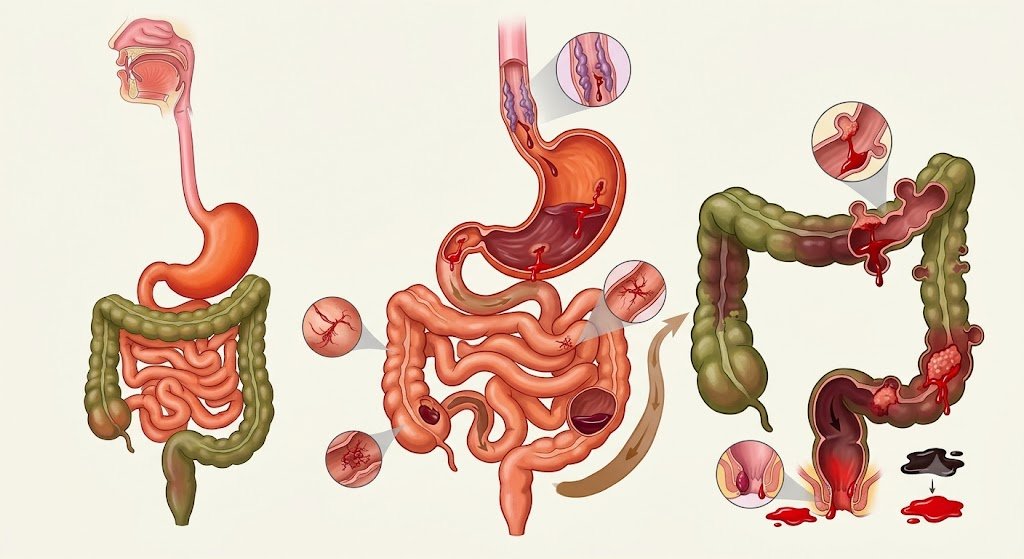
Bleeding from the oesophagus, stomach, or first part of the small intestine. It may cause vomiting of blood or black, tarry stools.
Bleeding from the colon, rectum, or anus. It may appear as fresh red or maroon blood in the stool.
Bleeding that is not visibly apparent but may be identified through laboratory tests or unexplained iron-deficiency anaemia.
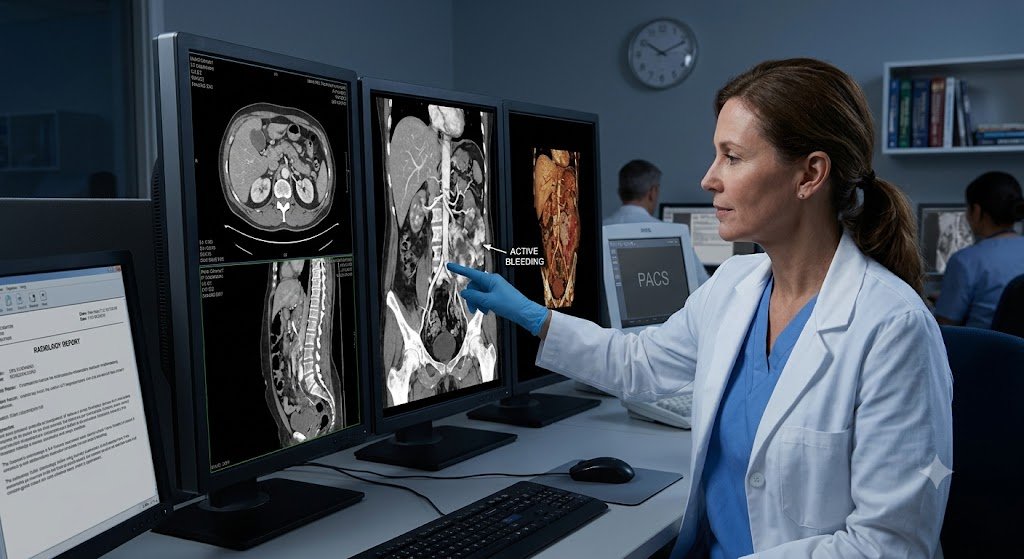
Patients with significant bleeding may require emergency monitoring, intravenous fluids, blood tests, blood transfusion when indicated, and other supportive measures.
Depending on the source, endoscopy may allow the doctor to use clips, thermal methods, injection techniques, or other devices to control bleeding.
Ulcers, inflammation, medication-related problems, and other causes require specific treatment. Medicines may be adjusted under medical supervision.
Bleeding from varices associated with portal hypertension requires urgent hospital-based care. Treatment may include specific medicines, endoscopic band ligation, and other interventions.
If bleeding cannot be controlled with initial measures, interventional radiology or surgery may be necessary in selected cases.
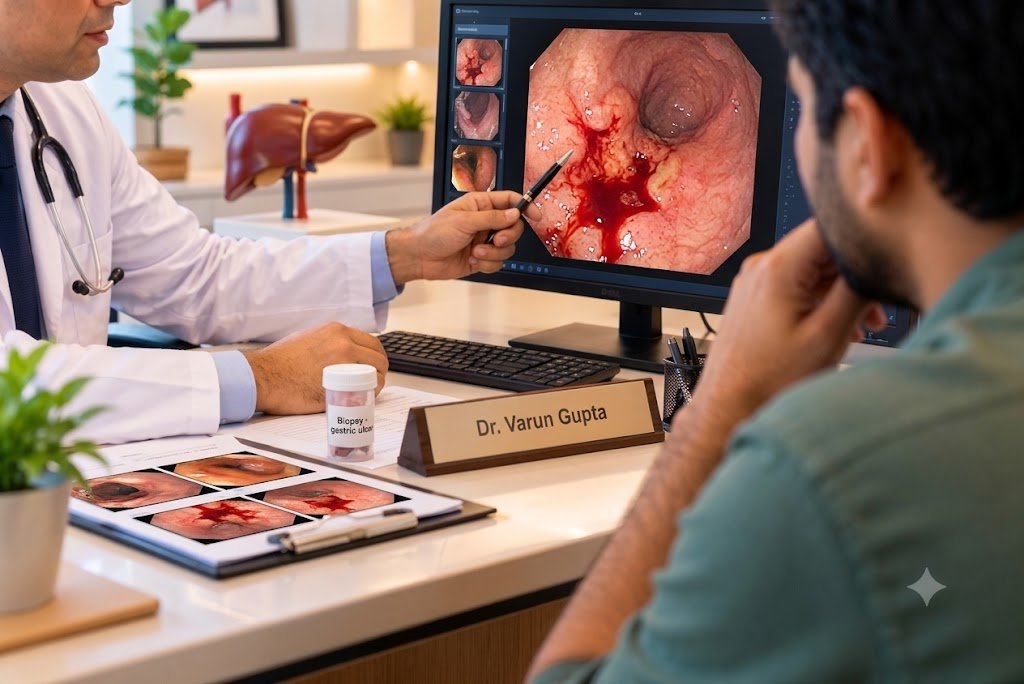
After bleeding has been controlled, follow-up focuses on identifying the cause and reducing the risk of another episode. This may involve treating ulcers, reviewing medicines, addressing liver disease, managing inflammatory bowel disease, or arranging additional investigations.
Living with cirrhosis can feel overwhelming. We provide clear information, practical guidance and ongoing support to help you move forward with confidence.
Information and advice tailored to your individual needs.
Understand your condition and the available options in simple terms.
We’re here for you—before, during and after your consultation.
A little preparation can help you get the most from your consultation.
Bring any relevant test results, scans or hospital letters.
A list of the medicines you are currently taking.
Write down any questions or concerns you would like to discuss.
Find quick answers to common questions about GI bleed Management. For anything else, we’re here to help.
Any unexplained blood in the stool requires medical assessment. Heavy bleeding, black tarry stools, fainting, or vomiting blood should be treated as an emergency.
Yes. Portal hypertension associated with cirrhosis can cause enlarged veins in the oesophagus or stomach, which may bleed severely.
No. The required investigation depends on the suspected source and severity. Endoscopy is frequently used when an upper or lower gastrointestinal source is suspected.
Yes. Slow or occult bleeding may lead to iron-deficiency anaemia or fatigue without obvious blood in the stool.
Recurrence is possible depending on the cause. Appropriate follow-up and treatment of the underlying condition are important.
For suspected active bleeding, seek emergency medical care immediately. For a previous episode or unexplained anaemia, arrange appropriate specialist follow-up.
Choose your preferred location and our team will confirm your appointment.
Choose your preferred date and time. The clinic team will contact you to confirm.