
Understand your condition. Explore your care options. Take the next step with confidence.
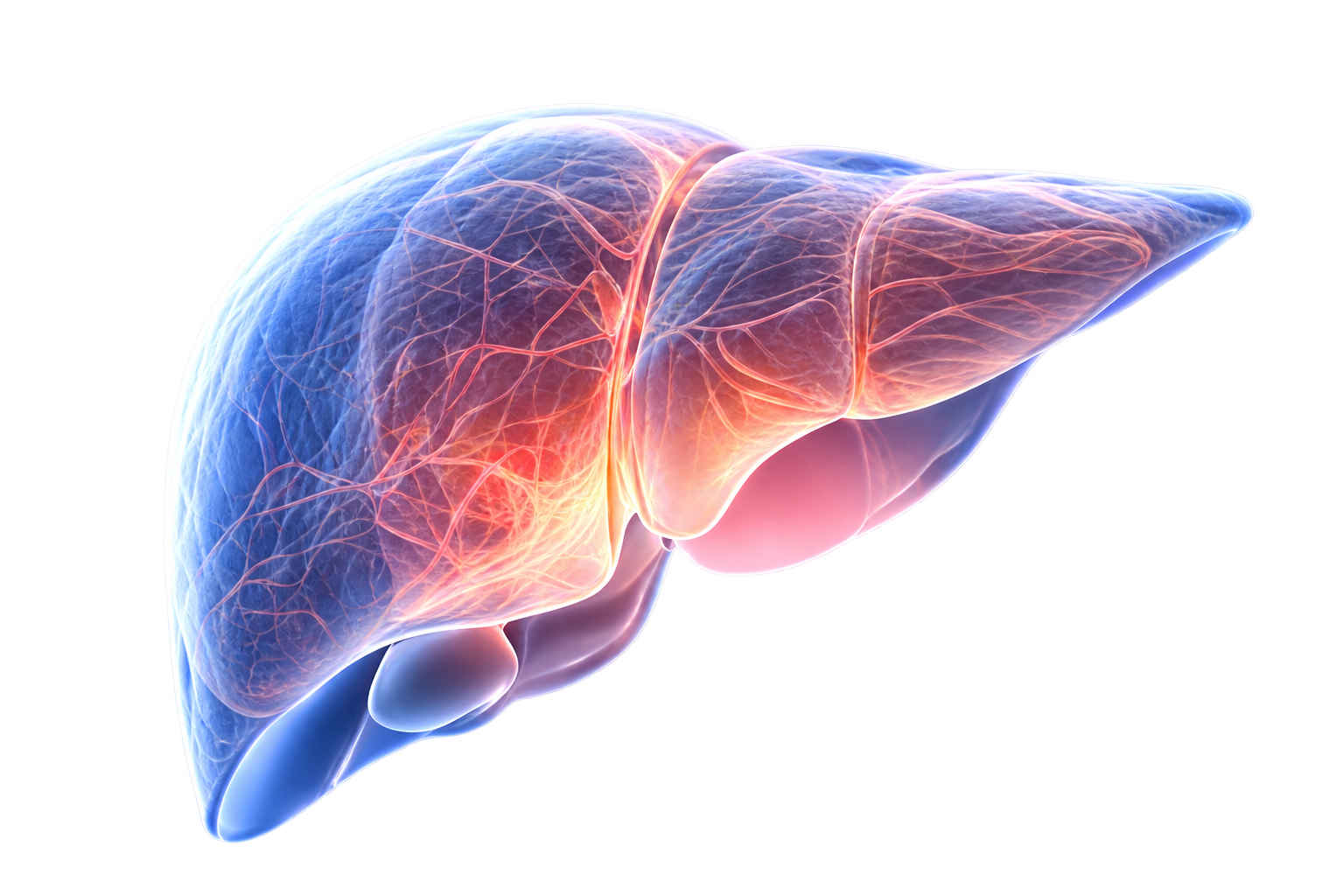
Cirrhosis involves scarring of the liver. Specialist assessment helps clarify your condition and guide your care.
A thoughtful and personalised approach to help you understand your condition and make informed decisions.
A focused discussion about your history, symptoms and concerns.
A plan tailored to your condition, lifestyle and goals.
Continued support throughout your care journey.
From understanding your condition to planning the next steps, we work with you at every stage.
Review your history and concerns.
Discuss appropriate investigations.
Agree on your next steps together.
The liver performs many functions that support digestion, metabolism, immunity, and normal body functioning. Repeated inflammation or injury can lead to fibrosis, a process in which scar tissue develops within the liver. When scarring becomes extensive, the condition is called cirrhosis. It can interfere with normal blood flow through the liver and reduce its ability to function. Cirrhosis may be compensated, when the liver continues to perform many functions without major complications, or decompensated, when complications such as fluid accumulation, gastrointestinal bleeding, or confusion develop.
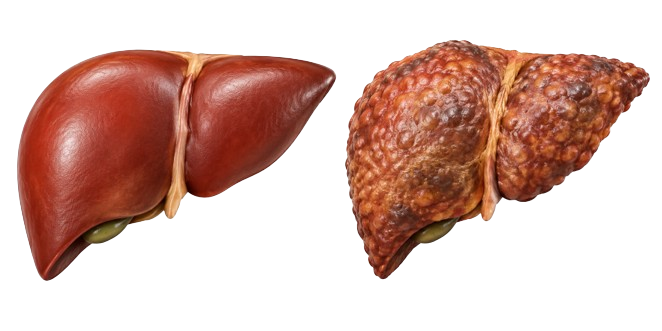
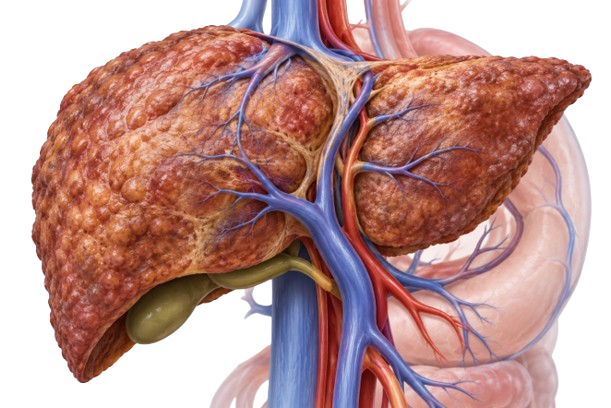

Medical evaluation is advisable if you have persistent abnormal liver tests, chronic hepatitis, known fatty liver with suspected fibrosis, or a diagnosis of cirrhosis. Patients with established cirrhosis need a planned follow-up schedule even when they feel well. Seek emergency care for vomiting blood, black tarry stools, new confusion, fainting, or severe abdominal symptoms.
Living with cirrhosis can feel overwhelming. We provide clear information, practical guidance and ongoing support to help you move forward with confidence.
Information and advice tailored to your individual needs.
Understand your condition and the available options in simple terms.
We’re here for you—before, during and after your consultation.
A little preparation can help you get the most from your consultation.
Bring any relevant test results, scans or hospital letters.
A list of the medicines you are currently taking.
Write down any questions or concerns you would like to discuss.
Find quick answers to common questions about cirrhosis of the liver. For anything else, we’re here to help.
Established cirrhosis involves significant scarring that may not be fully reversible. However, treating the underlying cause and managing complications can help prevent further damage. Transplantation may be considered in advanced cases.
The outlook varies according to liver function, the cause of cirrhosis, associated health conditions, and whether complications develop. Regular specialist follow-up is important.
No. Many patients can be managed with medicines, lifestyle measures, and monitoring. Transplant assessment is considered when the severity of liver disease or its complications makes it appropriate.
FibroScan may help assess liver stiffness and support monitoring in selected patients. It does not replace a full clinical evaluation.
Book a consultation with Dr. Varun Gupta to discuss your liver health, appropriate investigations, and the next steps in your care.
Choose your preferred location and our team will confirm your appointment.
Choose your preferred date and time. The clinic team will contact you to confirm.