
Understand your condition. Explore your care options. Take the next step with confidence.
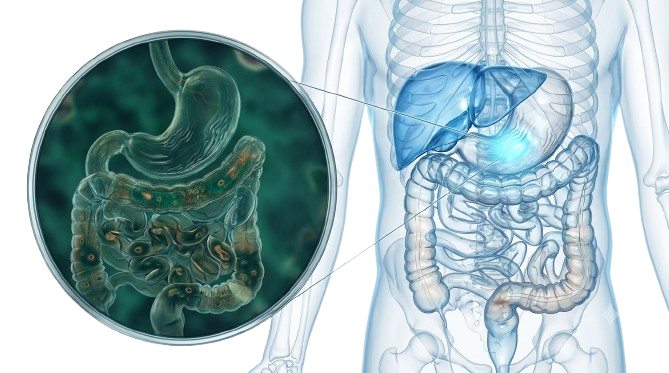
Diarrhoea is a common problem, happening to many a few times each year. Often it is present alone, remains for a few days, and goes on its own. Sometimes it may be associated with other symptoms like nausea, vomiting, abdominal pain, or weight loss.
A thoughtful and personalised approach to help you understand your condition and make informed decisions.
A focused discussion about your history, symptoms and concerns.
A plan tailored to your condition, lifestyle and goals.
Continued support throughout your care journey.
From understanding your condition to planning the next steps, we work with you at every stage.
Review your history and concerns.
Discuss appropriate investigations.
Agree on your next steps together.
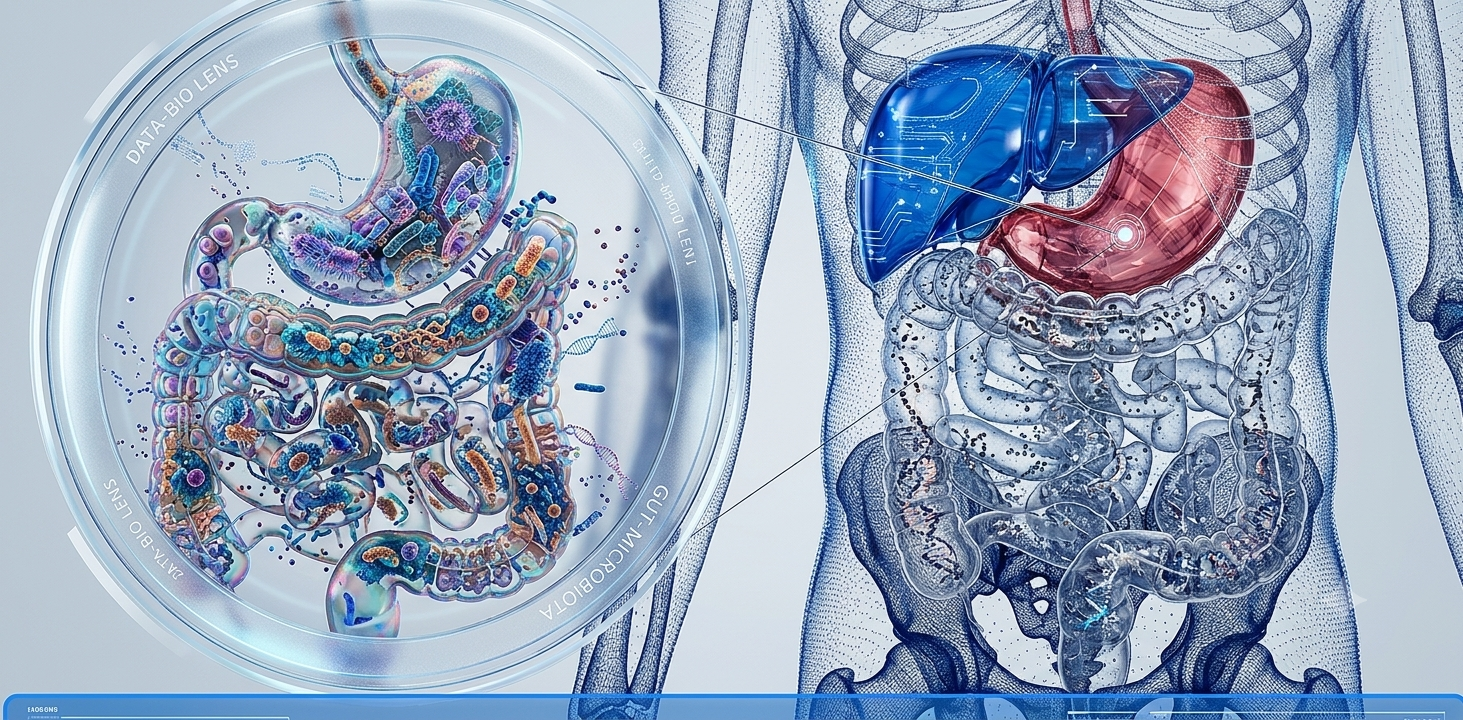
Acute diarrhoea usually lasts a short time. Diarrhoea lasting 14 days or longer is generally considered persistent, while diarrhoea lasting four weeks or longer is commonly classified as chronic. Recurrent episodes may also require evaluation even when each episode resolves.
Replacing lost fluids is essential. Oral rehydration solution can help replace water and electrolytes, particularly when stools are frequent or watery.
Patients should maintain appropriate fluid and food intake according to tolerance. Prolonged fasting is generally unnecessary for routine acute diarrhoea.
Infections, medication side effects, food intolerance, and inflammatory bowel disease require different management approaches.
Anti-diarrhoeal medicines may be suitable in selected cases, but they are not appropriate for every patient. Antibiotics are only needed for particular infections or clinical situations.
Persistent diarrhoea may require investigations for intestinal inflammation, malabsorption, food intolerance, or other underlying conditions.

Seek medical care if diarrhoea persists, keeps returning, or is associated with blood in the stool, severe abdominal pain, high fever, significant dehydration, or unexplained weight loss. Confusion, fainting, inability to keep fluids down, or markedly reduced urination may indicate severe dehydration and require urgent assessment.
Living with cirrhosis can feel overwhelming. We provide clear information, practical guidance and ongoing support to help you move forward with confidence.
Information and advice tailored to your individual needs.
Understand your condition and the available options in simple terms.
We’re here for you—before, during and after your consultation.
A little preparation can help you get the most from your consultation.
Bring any relevant test results, scans or hospital letters.
A list of the medicines you are currently taking.
Write down any questions or concerns you would like to discuss.
Find quick answers to common questions about Diarrhoea Disease. For anything else, we’re here to help.
Many acute episodes improve within a few days, but duration depends on the cause. Persistent or worsening symptoms should be evaluated.
Not routinely. Many cases are viral or self-limiting, and antibiotics are only appropriate for selected causes.
Oral rehydration solution is useful for replacing lost fluids and salts. Severe dehydration may require medical treatment.
A colonoscopy may be considered for chronic or unexplained diarrhoea, blood in the stool, suspected inflammatory bowel disease, or other appropriate indications.
Stress can affect bowel function and contribute to symptoms in some people, but persistent diarrhoea should not automatically be attributed to stress.
Consult Dr. Varun Gupta for evaluation of ongoing digestive symptoms and appropriate gastrointestinal investigations. Seek urgent care for severe dehydration, fainting, significant bleeding, or severe abdominal pain.
Choose your preferred location and our team will confirm your appointment.
Choose your preferred date and time. The clinic team will contact you to confirm.