Understand your condition. Explore your care options. Take the next step with confidence.
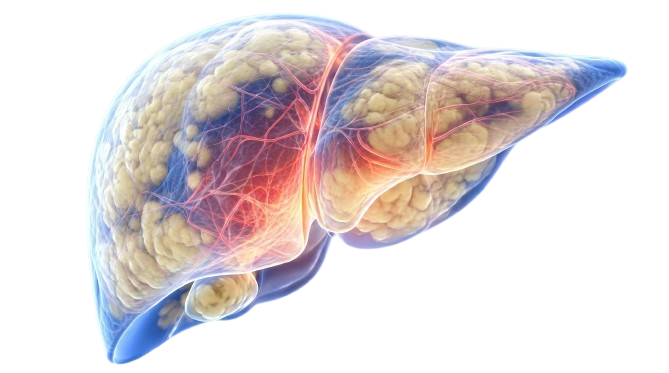
There is little that medicines can do for fatty liver management. Instead, there is a need to address different causes of fatty liver and control the same thorough treatment procedures.
A thoughtful and personalised approach to help you understand your condition and make informed decisions.
A focused discussion about your history, symptoms and concerns.
A plan tailored to your condition, lifestyle and goals.
Continued support throughout your care journey.
From understanding your condition to planning the next steps, we work with you at every stage.
Review your history and concerns.
Discuss appropriate investigations.
Agree on your next steps together.
Fatty liver disease is commonly classified according to its cause and associated risk factors. Metabolic dysfunction-associated steatotic liver disease (MASLD) refers to fatty liver associated with metabolic risk factors. Some patients develop metabolic dysfunction-associated steatohepatitis (MASH), in which fat accumulation occurs alongside liver inflammation and cell injury. Alcohol-related liver disease is another important cause of fat accumulation and liver damage. More than one contributing factor may be present.
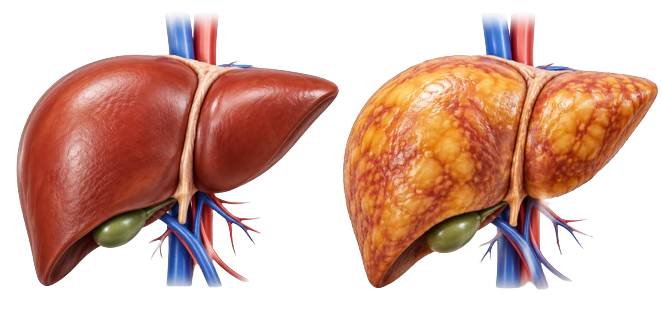
Most people with fatty liver have no specific symptoms. Some may experience fatigue, low energy, or discomfort in the upper right abdomen. These symptoms are not specific to fatty liver. Blood tests and imaging may be needed to assess liver health.
A balanced eating pattern with appropriate portions, vegetables, fruits, whole grains, pulses, and suitable protein sources may support metabolic and liver health. Reducing sugary drinks, excess added sugar, and highly processed foods can be helpful.
For people who are overweight, gradual and sustained weight reduction may reduce liver fat and, in some cases, improve inflammation and fibrosis risk. The appropriate target depends on individual circumstances.
Walking, cycling, strength training, and other suitable activities can improve metabolic health. Exercise may be beneficial even when significant weight loss does not occur.
Diabetes, high blood pressure, cholesterol abnormalities, and sleep-related conditions should be assessed and managed as appropriate.
Selected patients may benefit from specific medicines depending on the diagnosis, fibrosis stage, associated metabolic conditions, and current treatment recommendations. Medication should be prescribed only after clinical evaluation.

Yes, some patients develop progressive liver inflammation and scarring. However, not everyone with fatty liver develops advanced disease. Risk depends on factors such as diabetes, obesity, alcohol exposure, genetic susceptibility, and the degree of fibrosis. Determining fibrosis risk is an important part of fatty liver assessment.
Living with cirrhosis can feel overwhelming. We provide clear information, practical guidance and ongoing support to help you move forward with confidence.
Information and advice tailored to your individual needs.
Understand your condition and the available options in simple terms.
We’re here for you—before, during and after your consultation.
A little preparation can help you get the most from your consultation.
Bring any relevant test results, scans or hospital letters.
A list of the medicines you are currently taking.
Write down any questions or concerns you would like to discuss.
Find quick answers to common questions about Fatty liver. For anything else, we’re here to help.
Fatty liver does not always lead to serious disease, but some patients develop inflammation and scarring. Assessment helps identify people who may need closer monitoring or treatment.
Lifestyle changes can substantially reduce liver fat in many patients. Some individuals require medication or further evaluation, particularly when fibrosis or other medical conditions are present.
Yes. Fatty liver can occur in people with a normal body weight due to metabolic, genetic, dietary, or other factors.
No. The need for FibroScan depends on medical history, blood tests, imaging findings, and estimated risk of liver fibrosis.
Fatty liver can progress to inflammation and fibrosis in some individuals. Advanced fibrosis may lead to cirrhosis, although progression is not inevitable.
Book a consultation with Dr. Varun Gupta to discuss fatty liver evaluation, fibrosis assessment, and an individualised management plan.
Choose your preferred location and our team will confirm your appointment.
Choose your preferred date and time. The clinic team will contact you to confirm.