
How Alcohol affects the Liver?
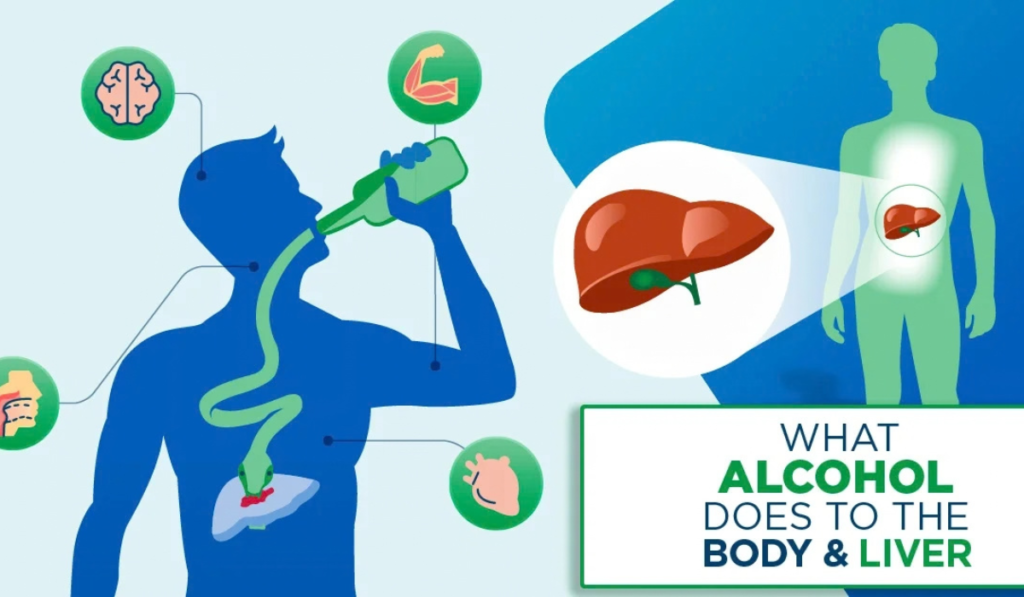
Liver Transplatation The liver is the largest internal organ in the human body. It breaks down complex substances and facilitates the elimination of waste products. The liver processes 90 percent of the alcohol we drink, and the rest of it passes through urine and sweat. Alcohol and Liver The liver can process only a specific amount of alcohol at one time. The capacity varies from person to person. It depends on factors like liver size, body mass index, and genetics. Increased consumption of alcohol than the capacity of the liver to metabolize leads to increased concentration of alcohol in the blood. A high level of blood alcohol concentration affects the brain and alters cognitive abilities. How Alcohol affects the Liver? Chronic alcoholism affects the liver as well. It destroys liver cells and causes cirrhosis or many other liver ailments that turn out to be fatal for the liver in the long run. After alcohol crosses the threshold limit, fat starts depositing around the liver, which triggers Alcoholic fatty liver diseases. Further accentuation of the problem can lead to Alcoholic Hepatitis in which there is acute liver inflammation resulting in cell death and accompanied by permanent scarring. Alcoholic cirrhosis is the last stage of liver damage in which there occur tissue destruction and irreversible scarring. Signs of Liver damage Damage to the liver from alcohol has no warning signs unless much of the liver has been affected. However, if a person consumes alcohol daily, he must monitor his health. If experiencing symptoms like weight loss, nausea, loss of appetite, fatigue, dark urine, one should consult an expert immediately. It could be the early signs of liver damage. Severe inflammation in the liver can lead to jaundice, traces of blood in vomit or stool, and fatal liver failure. Healing of Liver The liver tends to heal itself and repair the damage, although the extent of damage matters a lot in determining the healing rate of the liver. There is a need to control the consumption of alcohol. Taking medication can further help control the accentuation of liver disease. Fatty liver disease and alcoholic hepatitis are reversible if a person quits alcohol and gives time to the liver to heal. Cirrhosis, however, is irreversible but yes, quitting alcohol can help prevent its further progression
How To Take Care Of A Person With Liver Surgery?
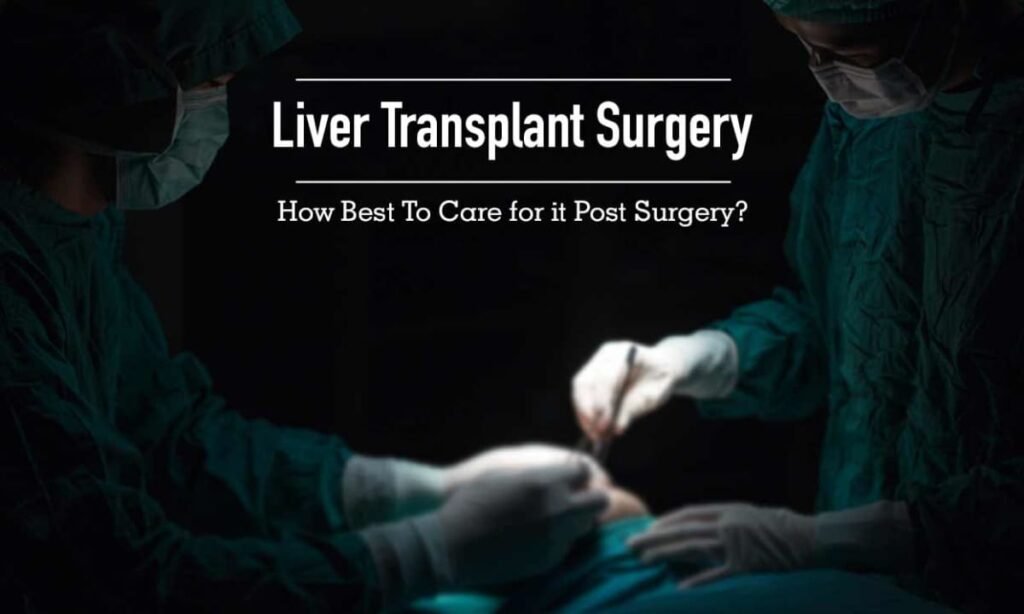
Liver Transplatation The liver is a vital organ in the human body. It performs various functions that are essential for human existence. However, our faulty lifestyle and sometimes due to natural causes liver undergoes ailments and disruptions in its functioning. It affects the quality of life of a person and increases the need for diagnosis and treatment. Many times, the damage is high. There is a need for surgical measures to help the liver restore its functionality. There are different procedures that experts may use to get rid of cancerous tumours or heal the ruptured liver. Selecting the type depends on many factors like nature and intensity of tumour, individuals’ biological needs, and many others. After Liver surgery Whatever surgical method a person may go through to rectify the functioning of the liver, it needs care and time to heal and return in life. Step1: Most of the time liver surgeries need the person to spend a few days and nights in ICU, where the medical team monitors oxygen levels, body temperature, pulse, and blood pressure. If they observe everything is normal, the person is shifted to a hospital room. Step2: In the hospital room, staff nurses and doctors visit the patient at regular intervals and monitor his recovery phase. How long a person will stay in a hospital room depends on the type of surgery the person has undergone and the healing speed that his body is showing. After the staff feels the required degree of healing has taken place and doctors are reassured with the recovery rate person may be relieved from the hospital. Step3: Experts do mention recovery tips that will help in speedy recovery. They educate the person about the diet chart he needs to maintain, modifications in lifestyle that he must bring, and therapeutic sessions he must take along with regular visits to centre for routine check-ups.
How to Take Care of your Liver?
Liver Transplatation Liver: An organ with ability to regenerate The liver is an organ that can regenerate itself, and at the same time, it performs digestion, metabolism, and detoxification in the human body. We pollute the liver by consuming food items and beverages that are not good. Toxic substances or substances rich in acid can severely damage the liver and turn out fatal. However, looking after the liver is not a tedious task. Following simple and healthy measures, adopting a liver-friendly lifestyle can help us keep the engine of our body functioning and disease-free. How to Take Care of your Liver? Managing weight is key to a healthy life. Obesity hinders the functioning of organs of the body and increases the risk of a person falling victim to many ailments. An overweight person is at high risk of non-alcoholic fatty liver disease (NAFLD). Weight loss plays an essential role in reducing liver fat and helping the liver heal. Check Your Diet in terms of quantity as well quality. Avoid high calorie-meals, saturated fat refined carbohydrates. Instead prefer a diet rich in fibres. Include fruits, vegetables, whole-grain bread, rice, and cereals. Avoid intake of toxins in any form. Alcohol consumption cigarette smoking severely affects the functioning of the liver and damages it causing scarring of the liver. Damage is severe and irreversible. Avoid alcohol and cigarette smoking. Drink more water that helps the liver to detoxify the acids and keep the body hydrated. Consume alcohol wisely, and if possible, try quitting it. Restrict the use of medicines as far as possible. Attempt to avoid medicines for problems that can heal with rest, massage, sleep, or relaxation therapies. Routine check-ups with Physician The body has an alarming system. Every disease does show some warning signs that one must pay attention to and consult the expert to prevent further consequences. Monitor the functioning of your body while you do your daily routine activities. Noticeable changes in the body need attention and medical care. Visit your physician and consult experts if needed.